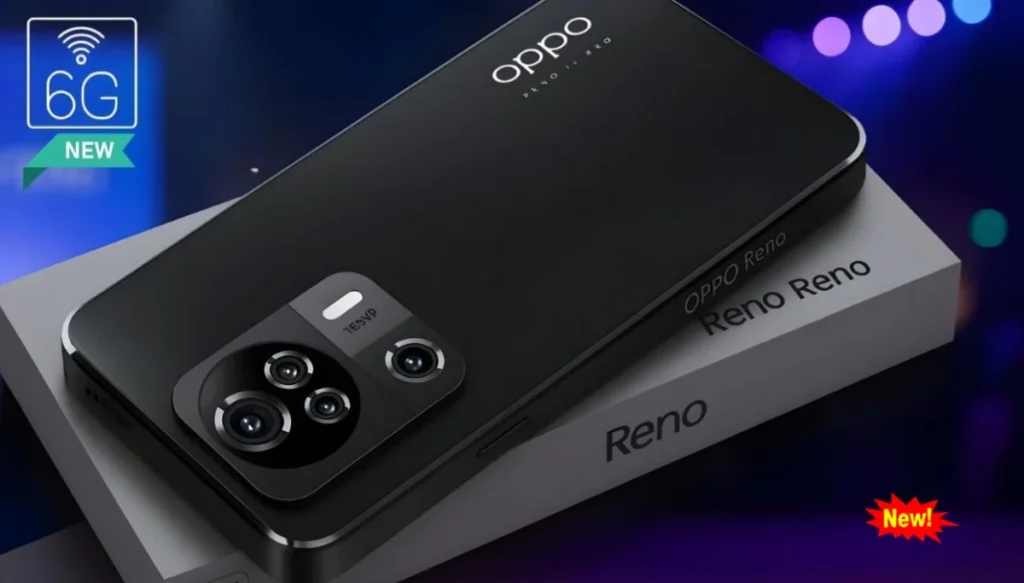

Let’s be honest: when you see a headline screaming about a 300MP camera phone, your first reaction is probably a mix of awe and skepticism. “Do I really need that?” you wonder, scrolling past yet another incremental spec bump. The tech world buzzed recently with leaks and whispers about the Oppo Reno 8 Pro 5G, a device rumored to pack not just a staggering 300MP main sensor, but also 16GB of RAM and 90W fast charging. On paper, it sounds like a fantasy phone. But what would a device like this actually feel like to use? As someone who has tested more phones than I can count, I want to cut through the megapixel marketing and explore what these numbers could truly mean for your daily life—if they ever move from rumor to reality.
For years, the smartphone camera war has been a slow march from 12MP to 108MP and beyond. We’ve reached a point where the numbers are becoming almost abstract. A 300MP sensor isn’t just a step forward; it’s a quantum leap that forces us to ask new questions. It’s not about whether you can print a billboard from your vacation photo (you could). It’s about whether this massive resolution can finally deliver on the promise of lossless digital zoom, computational photography magic, and a level of detail that makes every shot feel future-proof. Paired with specs that seem borrowed from a gaming PC, this hypothetical Reno 8 Pro isn’t just upgrading the camera; it’s challenging our entire idea of what a smartphone can be.
The 300MP Camera: More Than Just Big Prints
So, what’s the real story behind a 300-megapixel sensor? The immediate assumption is bigger, more detailed photos—and you’d be right, but only on the surface. The true potential lies in the power of pixel binning and computational flexibility.
- The Magic of Pixel Binning: It’s highly unlikely you’d shoot a full 300MP photo every time. The file sizes would be enormous (think 80-100MB per shot), and for most social media or even 4K displays, it’s massive overkill. Instead, the sensor would use a technology called pixel binning. Imagine it grouping nine pixels together to act as one large, light-sensitive pixel. A 300MP sensor could bin down to a still-exceptional 33MP photo, with each of those “binned” pixels capturing far more light and information than a standard sensor pixel. The result? Photos with incredible dynamic range, stunning color accuracy, and minimal noise, especially in low light. It’s about better pixels, not just more of them.
- The Zoom Revolution, Reimagined: This is where it gets exciting for everyday users. Most “zoom” on phones is still digital crop—you’re essentially just enlarging the center of your sensor, leading to a loss in quality. With a 300MP sensor, you have a massive reservoir of detail to draw from. Cropping into 25%, or even 10%, of that sensor would still leave you with a clean, high-resolution image. This could effectively make the 2x or even 3x zoom range feel optical-quality, all from the main camera. It’s a software-powered solution to a hardware limitation.
- The Professional’s Playground: For the niche of users who truly need it, the ability to shoot in a full 300MP mode opens doors. Extreme cropping for wildlife or sports photography, capturing architectural details for work, or creating immensely detailed images for large-format art prints become possible from your pocket. It democratizes a level of resolution previously reserved for high-end dedicated cameras.
16GB of RAM: Why Your Phone Might Need a Laptop’s Brain
“16GB of RAM in a phone? My laptop only has 8!” That’s a common and fair reaction. But in 2026, the role of a smartphone is evolving from a communication device to a primary computing hub. Here’s why that massive RAM isn’t just for show:
- The Multitasking Monster: Imagine editing a 4K video in one app, while having a dozen Chrome tabs open for research, a messaging app running, and a navigation app guiding you—all without a single reload or stutter. 16GB of RAM makes this seamless. It allows for true desktop-level app retention, where you can jump back into a game or complex application days later, and it’s right where you left off.
- Future-Proofing for AI and AR: The next frontier is on-device Artificial Intelligence (AI) and immersive Augmented Reality (AR). Processing complex AI models for real-time language translation, advanced photo editing, or sophisticated AR filters requires significant memory. 16GB of RAM prepares the device not just for today’s apps, but for the computationally intensive applications of tomorrow that haven’t been invented yet.
- The “Virtual RAM” Advantage: Many manufacturers now use a portion of storage as “virtual RAM.” With a base of 16GB physical RAM, this virtual expansion becomes far more effective, potentially creating a 20GB+ total memory pool. This is a direct answer to increasingly powerful, resource-hungry mobile operating systems and services that run constantly in the background.
90W Fast Charging: The End of Battery Anxiety
If there’s one spec that has a tangible, immediate impact on daily life, it’s charging speed. A 90W charger isn’t just fast; it’s transformative.
- The “Coffee Break” Charge: Industry tests with current 80W-100W chargers show they can take a large battery from 0% to 50% in under 15 minutes. A 90W system would follow this trend. This fundamentally changes your relationship with the battery. You don’t need to charge overnight anymore. Instead, you can plug in while you shower and have breakfast, or during a short work break, and gain enough power to confidently last the rest of the day. It erases the panic of leaving the house with a low battery.
- Technology and Safety: Charging at these speeds generates significant heat, which is the enemy of battery longevity. To implement 90W charging safely, Oppo would need a breakthrough cooling system—perhaps a larger vapor chamber or new graphene materials—and intelligent power management that precisely controls the current to protect the battery’s health over hundreds of cycles. It’s an engineering challenge as much as a spec sheet victory.
- The Ecosystem Play: Such high-wattage charging promotes ecosystem lock-in. To achieve 90W, you’ll almost certainly need Oppo’s specific charger and cable. It’s a feature that adds tremendous value but also ties you closer to the brand’s accessories.
Design & The Bigger Picture: More Than the Sum of Its Specs
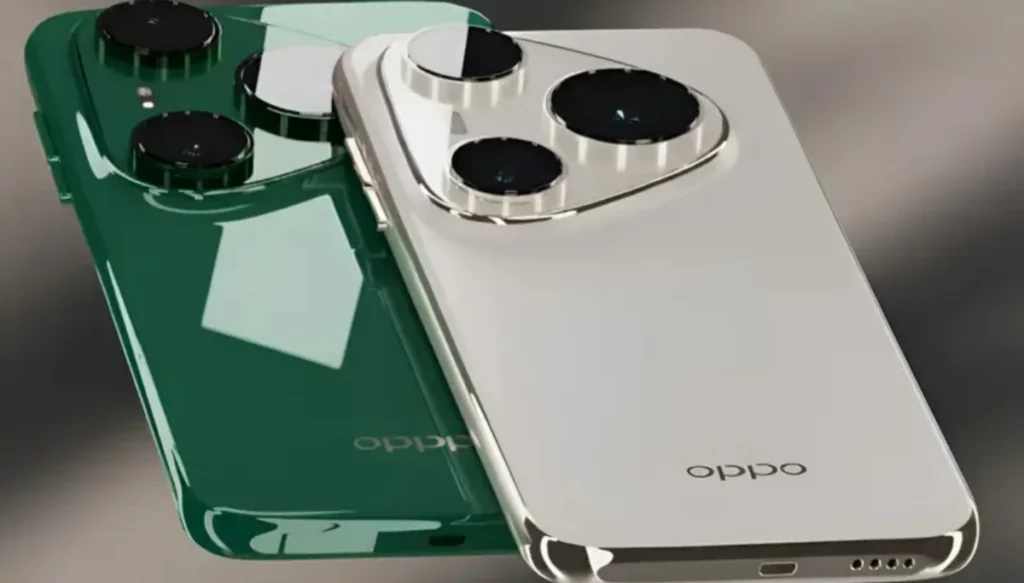
A phone with these specs couldn’t exist in a generic plastic body. The design language would need to signal its premium status. We could expect an elegant, minimalist aesthetic—perhaps a polished ceramic back or a new matte glass formulation that resists fingerprints. The camera module, housing that colossal sensor, would be a prominent design statement, likely integrated smoothly into the frame.
However, this hypothetical device raises critical questions about the sustainability and necessity of such extreme specs. Do we need 300MP when 108MP is already underutilized by most? Is the environmental cost of manufacturing such dense sensors and power-hungry components justified? The true innovation for 2026 may not be in pushing numbers higher, but in making these technologies more efficient, accessible, and sustainable.
Conclusion: A Glimpse of a Possible Future
The rumored Oppo Reno 8 Pro 5G, as described, represents a fascinating thought experiment. It’s a vision of a smartphone pushed to its speculative limits: a professional-grade camera, a desktop-class multitasker, and a device that defeats charging downtime. While the exact specs should be viewed as exciting rumors until an official announcement, they point unmistakably to the industry’s direction.
Ultimately, this isn’t just about a phone. It’s about the convergence of technologies. The 300MP sensor feeds data to the powerful 16GB RAM-enabled processor, which can crunch it for computational photography, while the 90W charging ensures the whole system never stops. It highlights a future where your phone isn’t just a tool for communication, but a versatile, powerful creative and productivity studio that fits in your pocket. The challenge for Oppo, and the entire industry, will be balancing this relentless pursuit of power with the practical, human needs of usability, cost, and responsibility. One thing is clear: the age of the incremental update is over. The next era will be defined by bold, integrated leaps.